







WAYS OF SEEING





What is shaping my gaze?
What is shaping my gaze?
Ways of Seeing
October 2025 - January 2026
I asked myself how constructed the things I see really are. Constructed by me, by others, by the environment I was exposed to and still am, by the media I consume, by social norms, by my feelings at this very moment. By making an image from a certain point of view, an angle, depending on the device I use, the settings I apply, the things I choose to put in the frame or leave out, I add yet another layer of construction. My gaze is so influenced by subconscious factors, things I sometimes don’t even question. Seeing what I observed, found, and created for each topic next to the works of others, and sharing our own points of view and ideas, was something I gained a lot from.
(01) pair
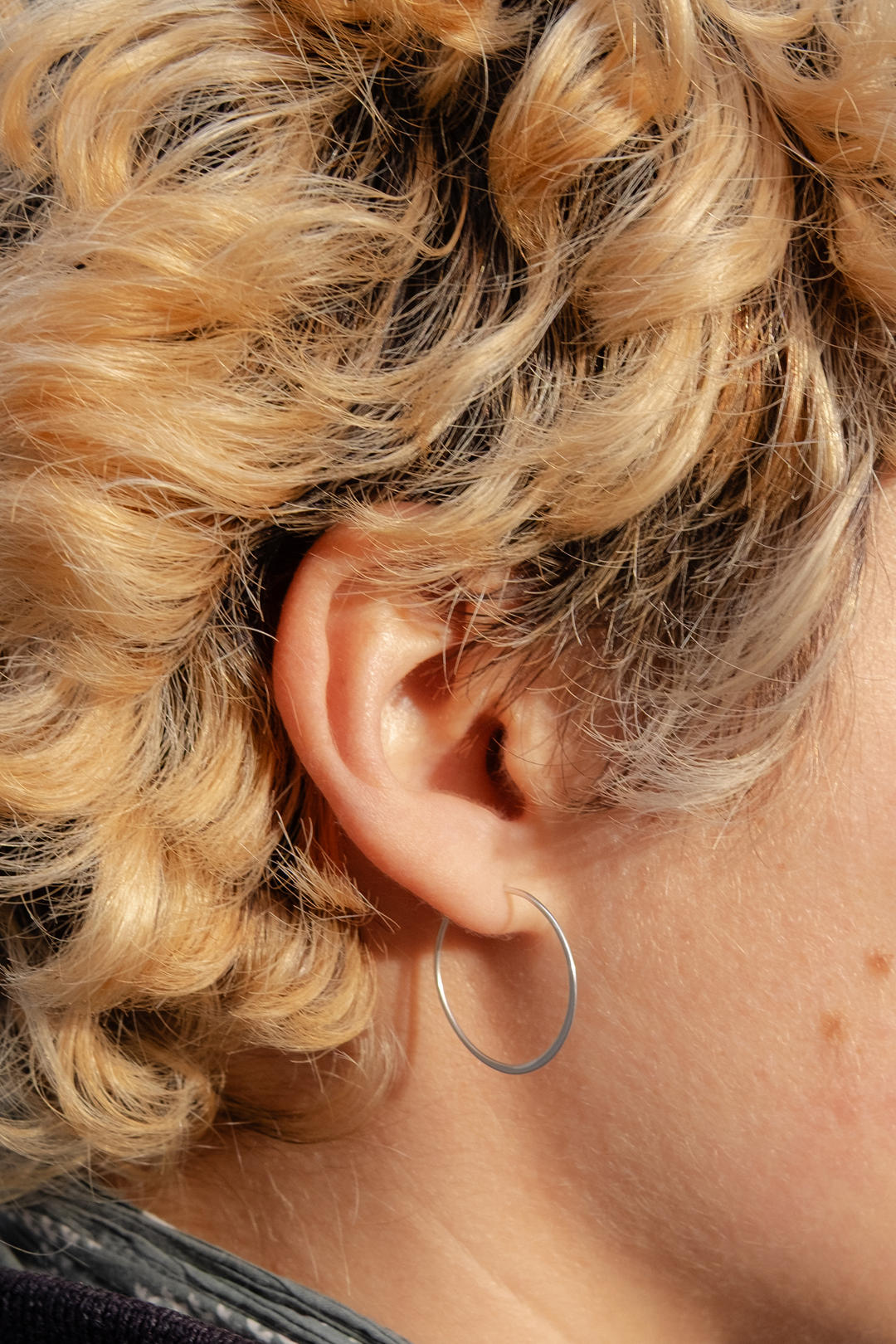
(02) hair
(03) trash

(04) a dangerous place
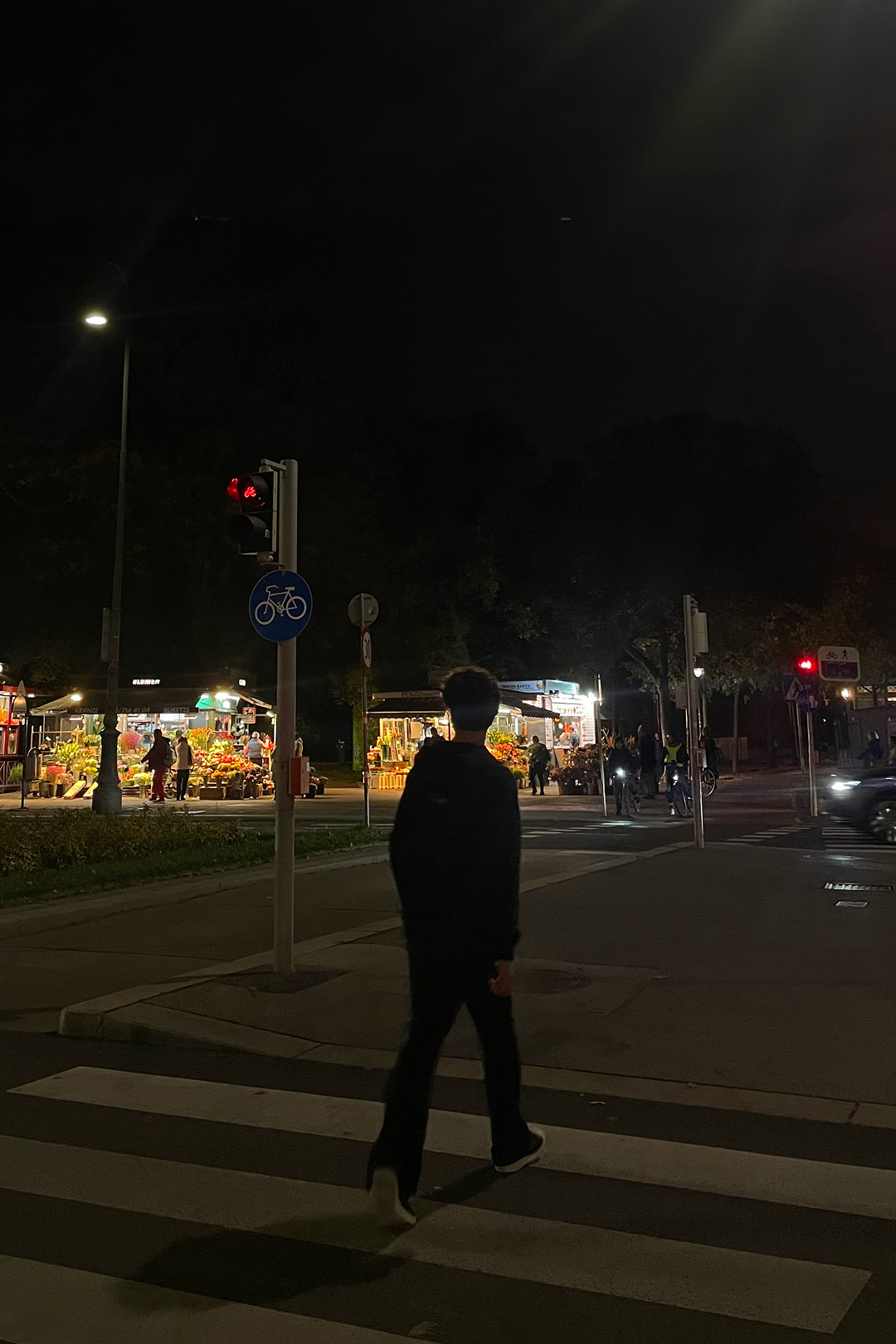
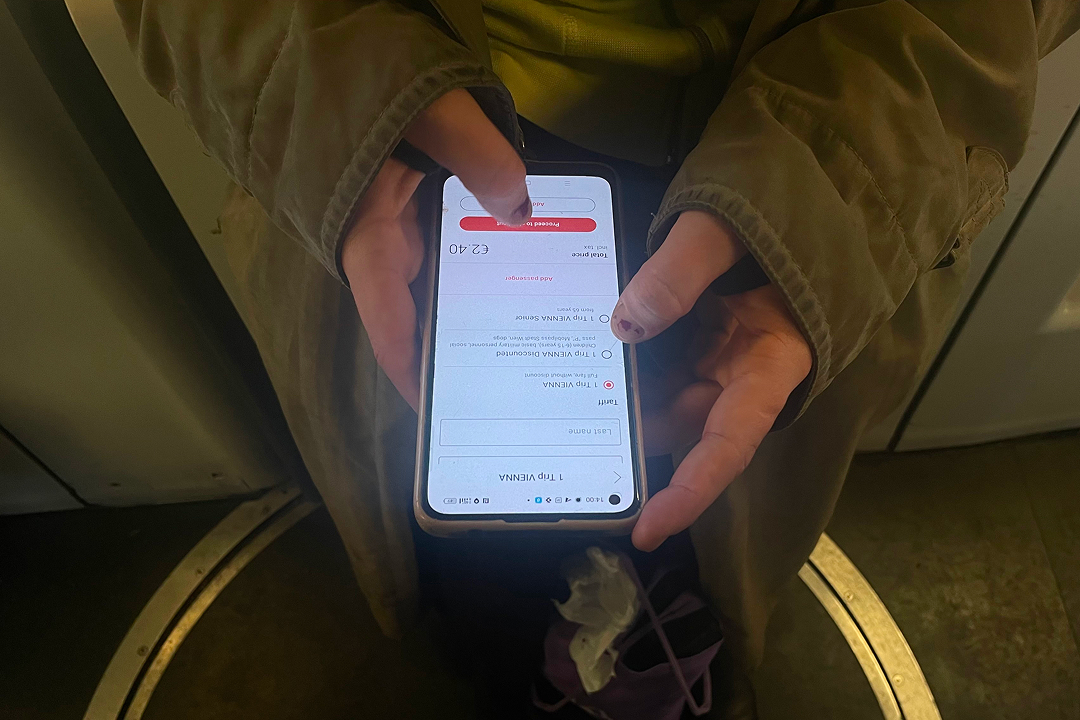
(05) text on image
(05) text on image


(06) myth

(07) teeth
(08) satisfaction

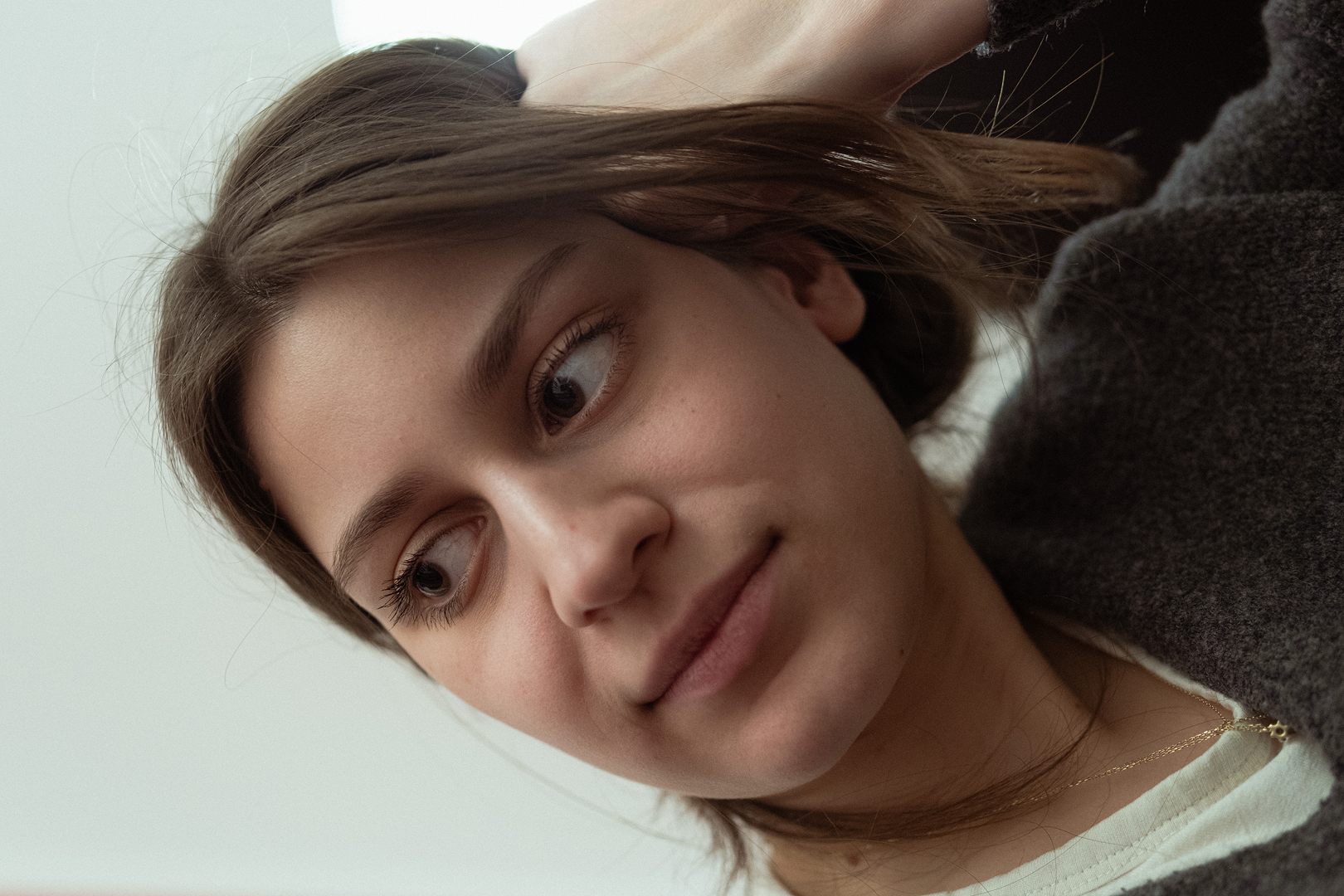
(09) Dunja



Reflection
Reflection
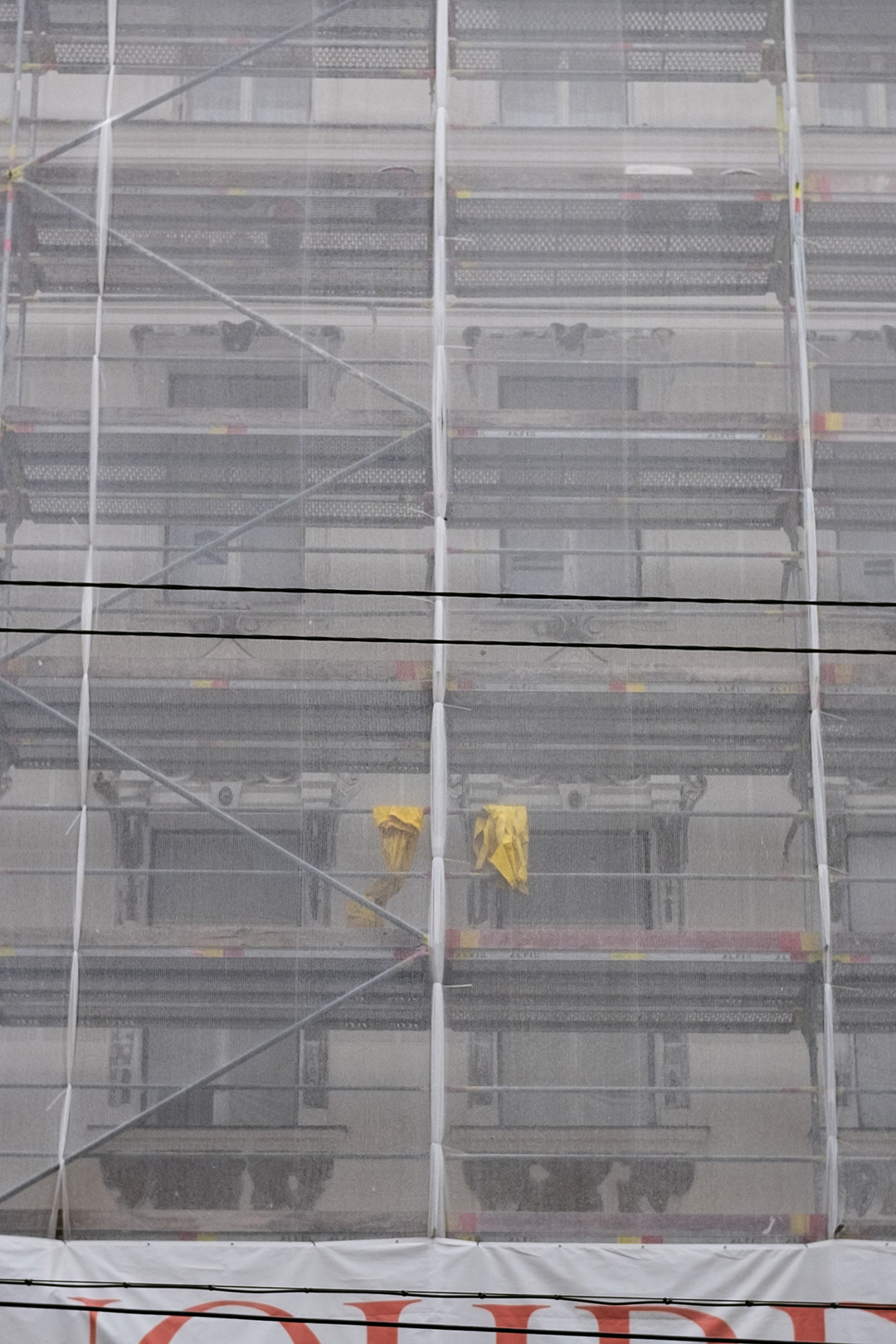
Starting out with the task of finding a visual pair, I doubted that my observation (two yellow jackets on a scaffolding in the city) was good enough. So I asked my friends to pose for me. Hannah and Hannah, both with bleached hair at the moment, creating a pair through their poses and movements. Coincidentally, one of them was also wearing bright yellow shoes, an accidental pair to the two yellow jackets. Although I really enjoyed the outcome of our session (and had a lot of fun during it), I ended up choosing the jackets as the image that represented the topic “pair” best.
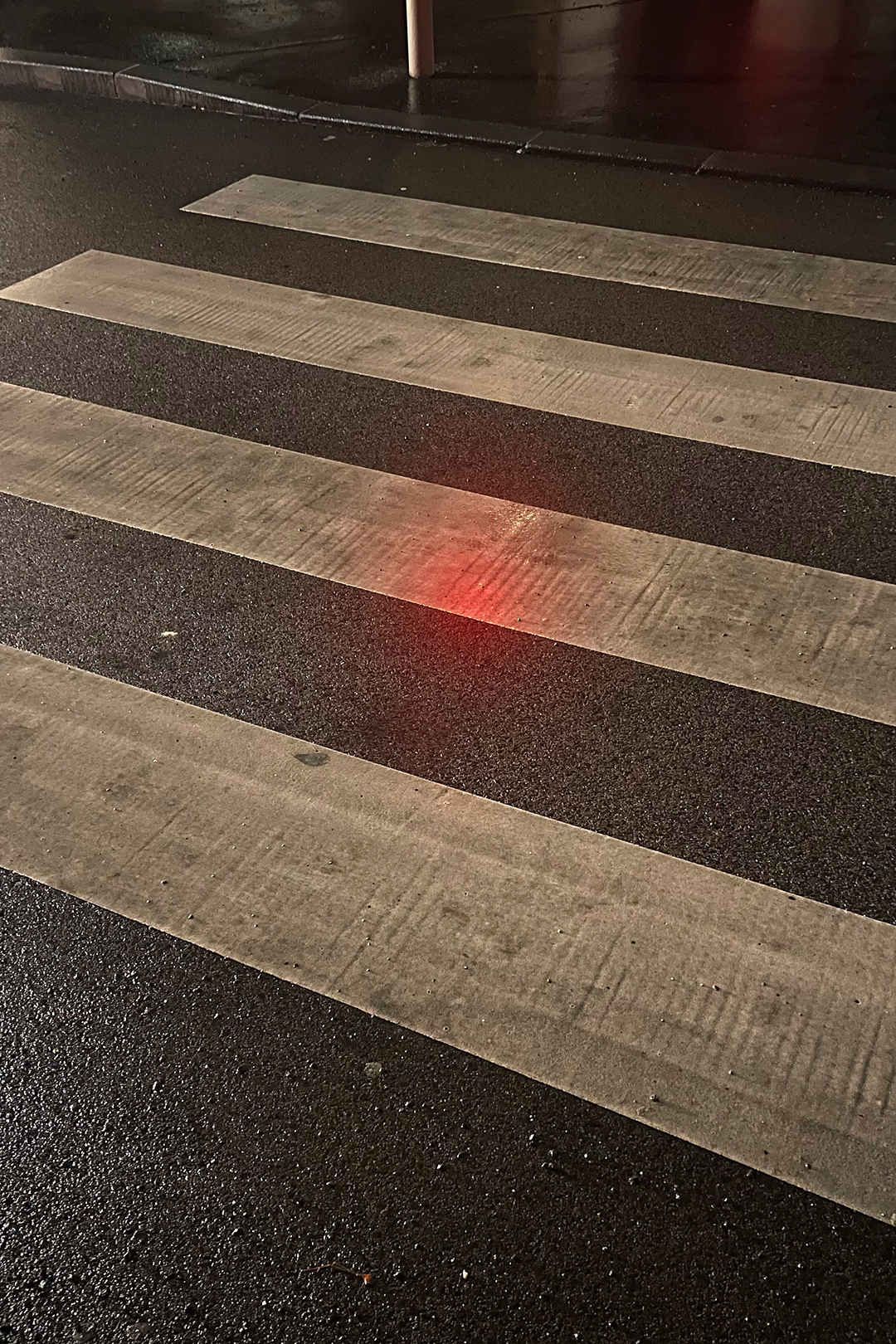
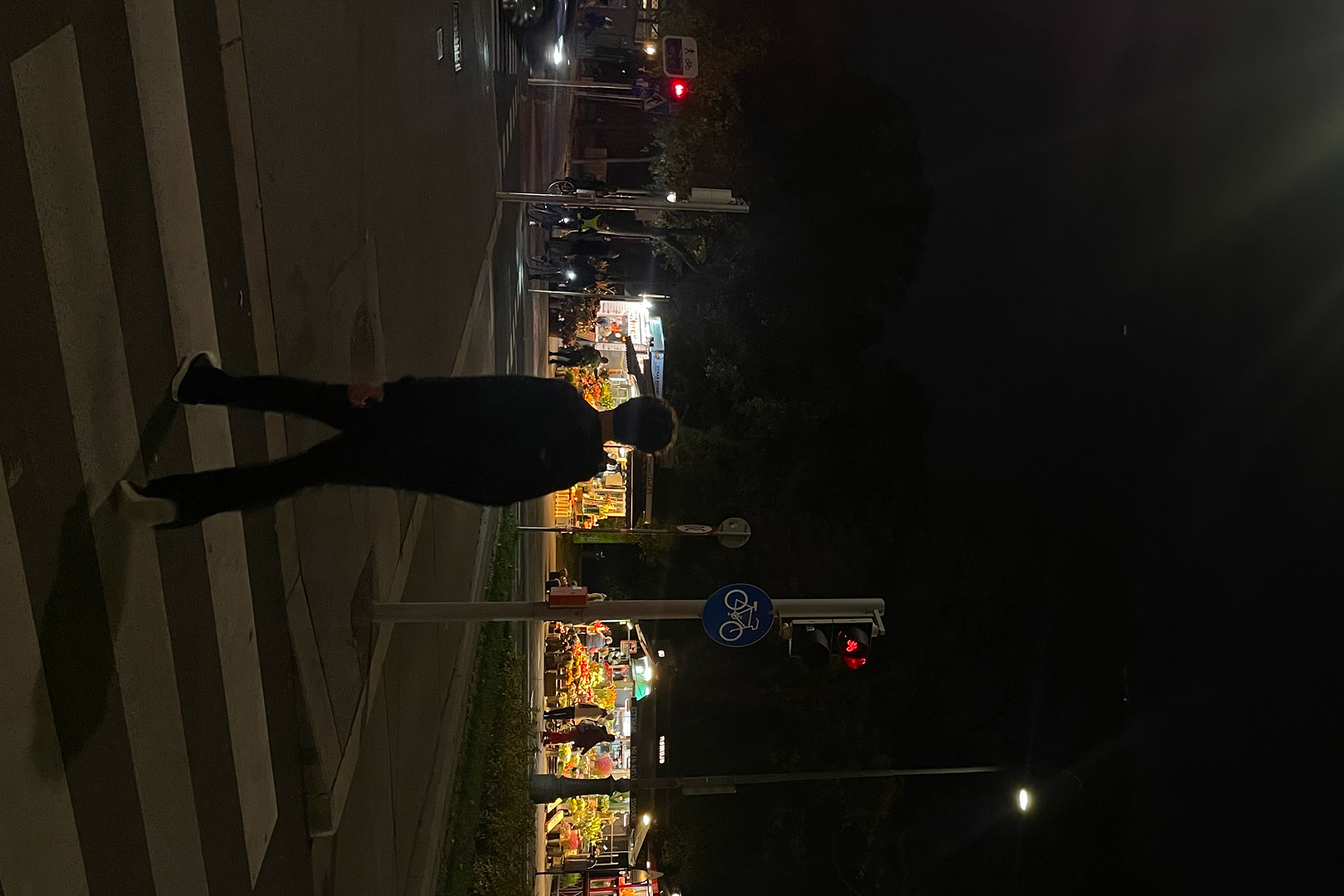
I really struggled with the topic of a “dangerous place.” All the scenes or motives I had in mind felt either too severe, too cliché, or a combination of both. I started looking for danger in everyday situations and shifted my perspective to ask for whom or for what a place might be dangerous. That completely changed my perception while going through the city. Tables chained together because they are in danger of being stolen became a dangerous place for the tables themselves. Crossing the street on a red light became dangerous not only because of traffic but also because it could affect one’s chances of getting Austrian citizenship, a fact that stuck with me after watching Noch lang keine Lipizaner. I still walk through the city looking at signs, places, and situations and wonder for whom or what they might be dangerous, often beyond my own perspective.
Being a graphic designer, I see text on images everywhere. I notice fonts, tags, logos on cars, posters, and billboards, but somehow all of this always felt like someone else’s work. I also have the habit of photographing things physically or taking screenshots digitally of everything I find remotely interesting, only to maybe never look at it again. These images keep piling up on my camera roll and desktop, and this accumulation itself became the most impressive example of text on image. It also opened up a new approach for me (someone who works digitally anyway) to consider screenshots or digitally created images (not including AI) as photographic work.
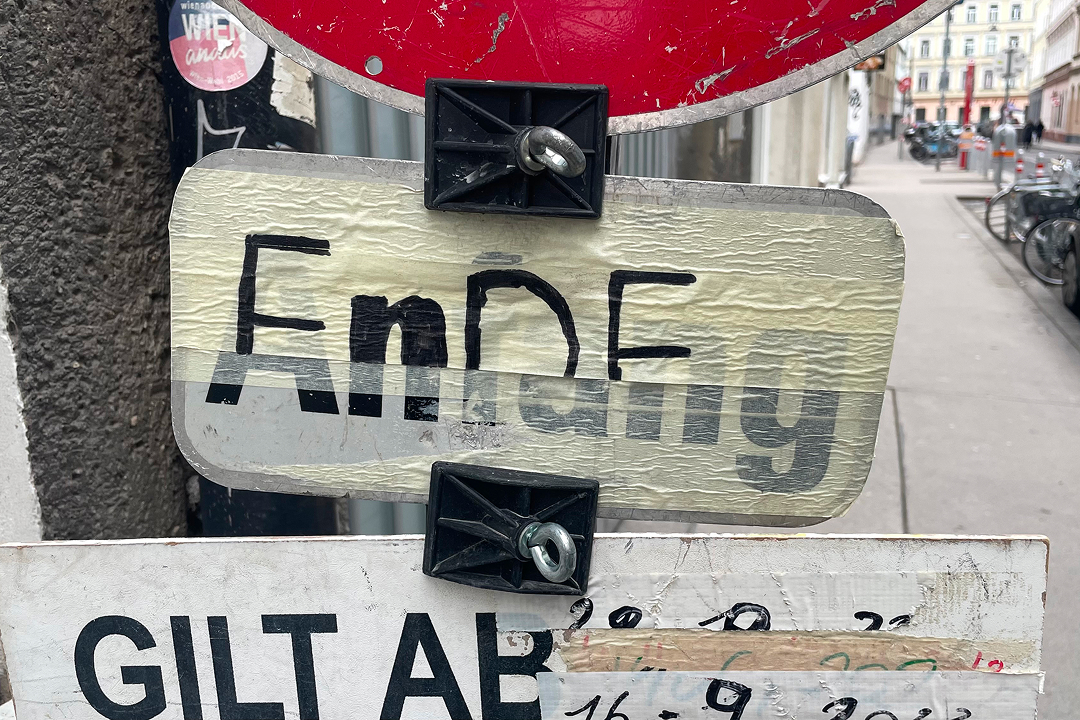
The topic of myth was the most approachable lens to use while walking through the city. I encountered a socialist relief sculpture on the façade of a building by the Wirtschaftsagentur, portraying stereotypical male bodies doing work. A photomontage of happy cows on a bright green meadow next to a stylised and repetitive depiction of bright read meat in a shop window. A broken gingerbread house on the street that reminded me of all the disturbing, not-so-fairytale-like stories we were told as children. A modified sign, changing the beginning to the end. Everything seemed connected to a story that contained a twist, had a double meaning or didn’t reflect reality.
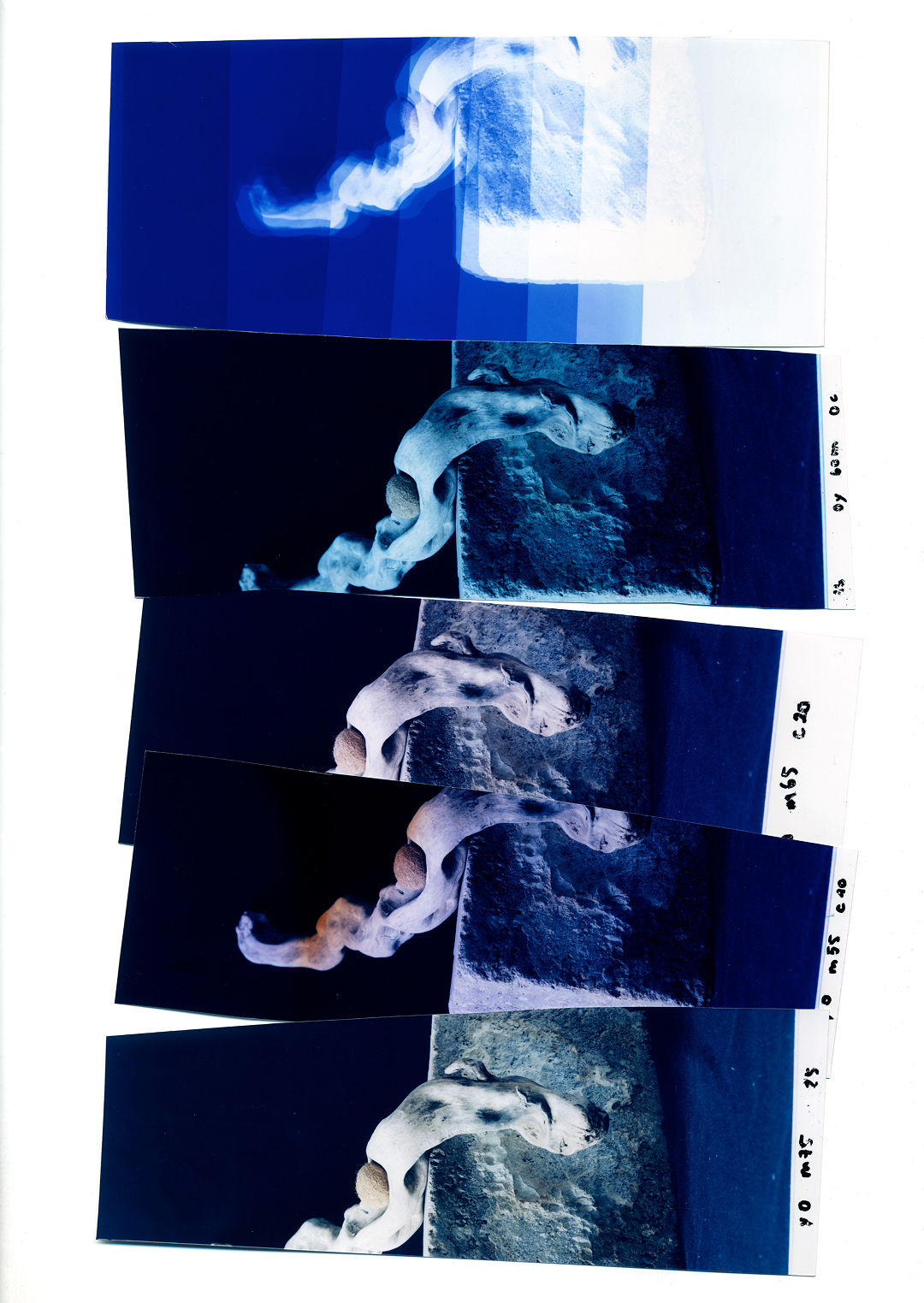
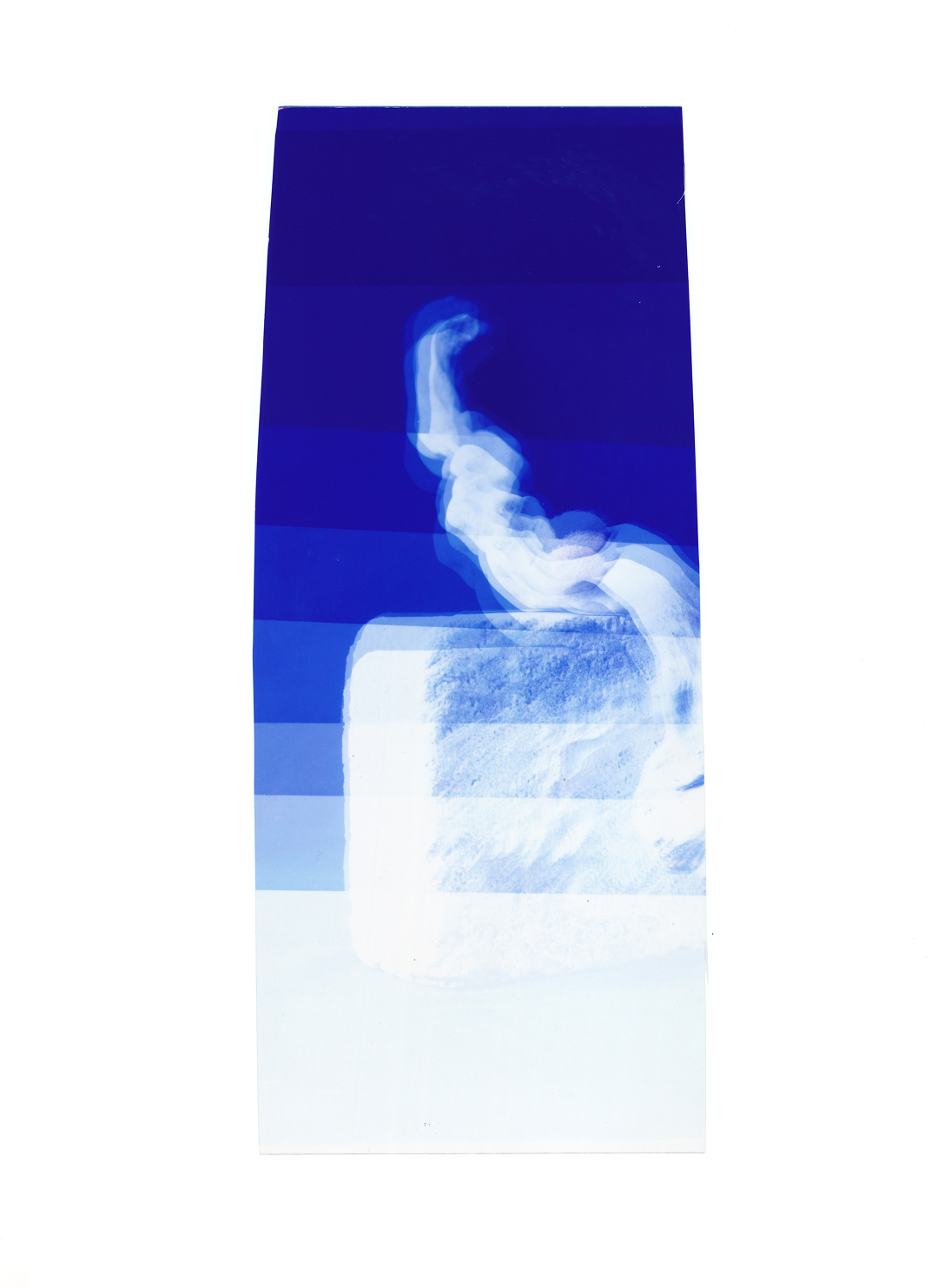
I’ve been making observations of situations and objects in the streets for a while now, but I really enjoyed carrying a specific topic, word, or phrase as lens with me throughout my daily life. Sometimes it was more present, sometimes less, sometimes more literal and sometimes more associative. Some of these lenses stayed with me even after the exercises and our Wednesday sessions sharing the images. Organizing a more deliberate photo-making session, creating a scene and executing an image or vision I already had in mind, was a new challenge. I usually photograph what is already there, and directing models while handling the camera and light is still something that feels challenging at times.
I’m still in the process of finding an aesthetic. I’m not sure whether I consciously applied one or whether it emerged from the different approaches I took for each exercise. The more planned images resulted in a very different aesthetic compared to the collected observations I documented in my everyday life with my phone. At first, I struggled with these results because I often doubt they are not “good enough,” especially from a technical point of view. But I’m beginning to see that their visual properties, the lack of depth of field, resolution, or polish also communicate their approach. They feel less staged and more immediate, and it’s easier for me to communicate humour. Taking photos with my camera always feels more serious but also allows me to approach a topic with more sensitivity or create more intimacy especially while photographing people.
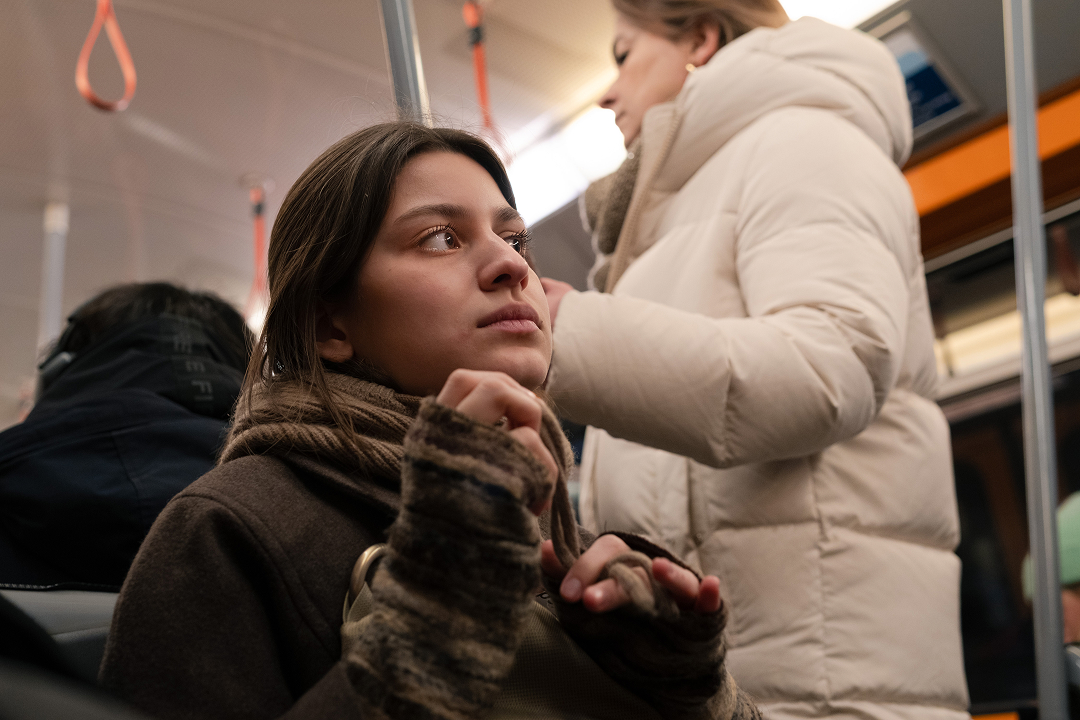
While photographing Dunja, I realized that I liked the in-between moments the most. The unstaged ones, where she was simply herself, thinking about the things we had just talked about, the personal stories she shared, her first kiss, or how she just accidentally stole a chewing gum and went back to pay for it. I prefer being in the position of an observer, documenting something that already exists with as little intervention from me as possible. At least for now :-)